Kalevala, the Finnish national epic
The Kalevala gave the Finnish people an identity. It is the cornerstone of Finnish culture, which soon began to exert a profound influence on the other spheres of artistic endeavor.
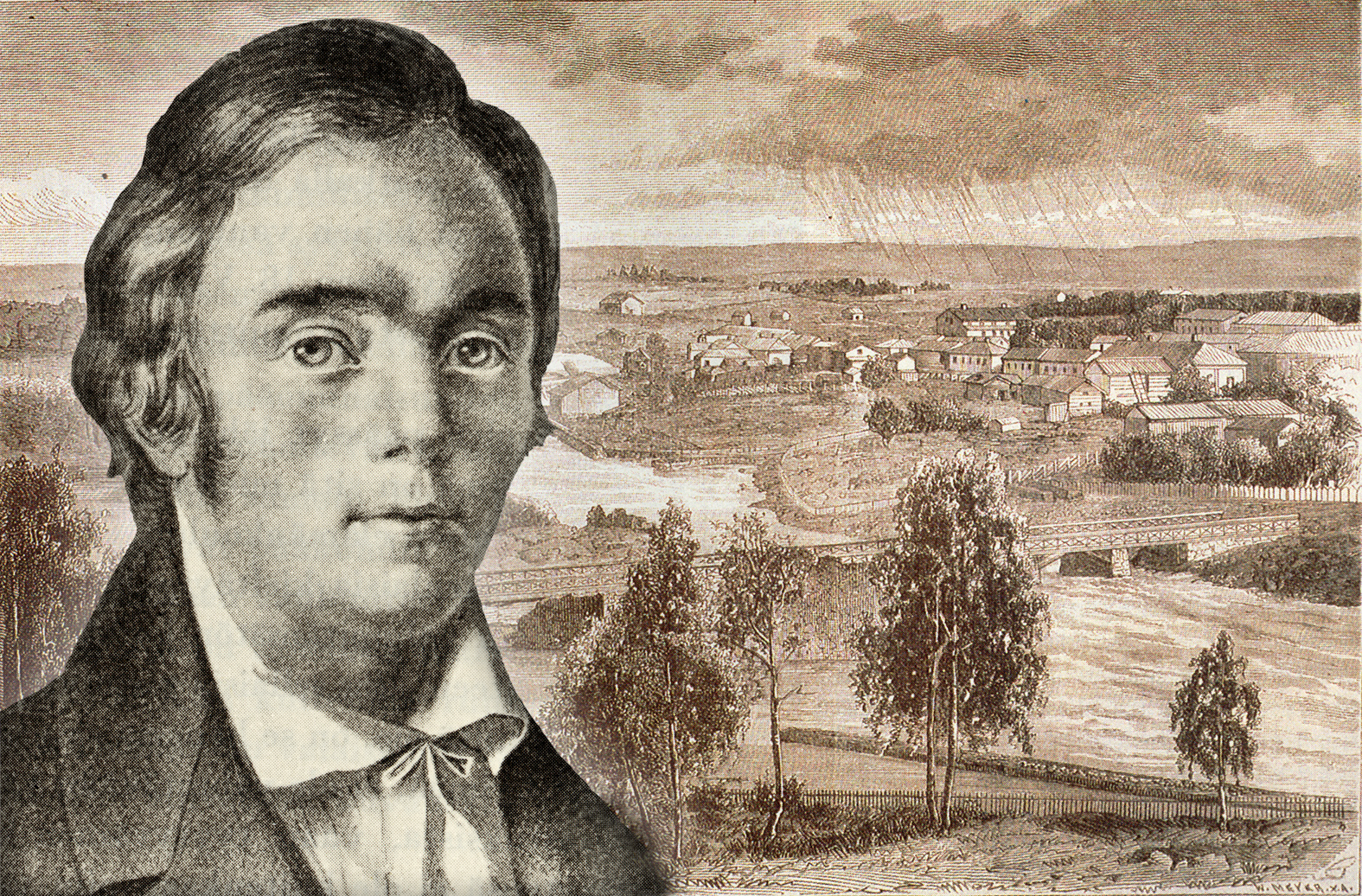
The Kalevala gave the Finnish people a shared cultural identity. It became the cornerstone of Finnish culture and soon began to exert a profound influence on literature, music, visual arts, and other fields of artistic expression.
The Finnish national epic, the Kalevala, is one of the classics of world literature. It took shape in the province of Kainuu, where Elias Lönnrot served as district physician in Kajaani from 1833 to 1853. Drawing on an extensive body of oral poetry, he compiled the epic from rich folk traditions.
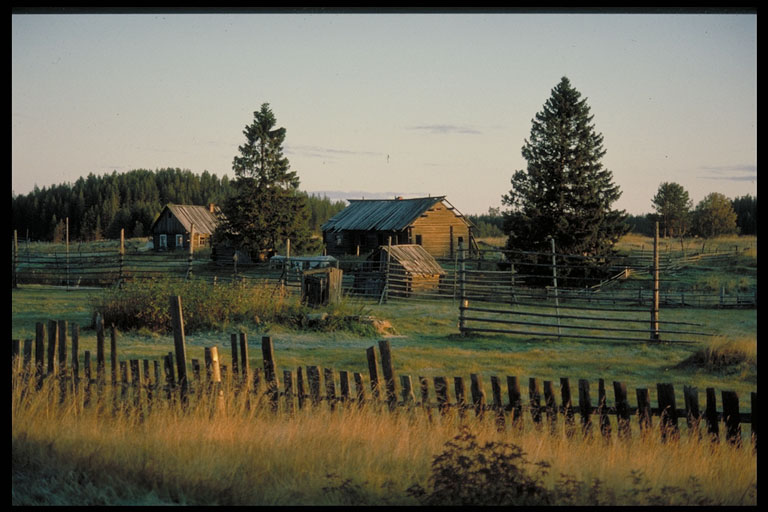
Most of the poems that make up the Kalevala were collected in White Karelia (in present-day Russian Karelia), especially in the villages of the Vuokkiniemi region. White Sea Karelia preserved an ancient culture that had lived in close harmony with nature for centuries. Its dialect was closely related to Finnish. While the tradition of epic runosong was still vibrant there in Lönnrot’s time, it was already fading in Finland.
Elias Lönnrot
Elias Lönnrot was a major Finnish intellectual whose life’s work significantly influenced the emergence of Finland as a nation.
Alongside Mikael Agricola, he is regarded as one of the founders of written Finnish. Lönnrot was a language reformer, writer, poet, publisher, editor of the first Finnish-language journal, lexicographer, physician, and scholar. However, his most important international achievement was the creation of the Finnish national epic, the Kalevala, now recognized as one of the treasures of world literature.
Background of Lönnrot's poem collection
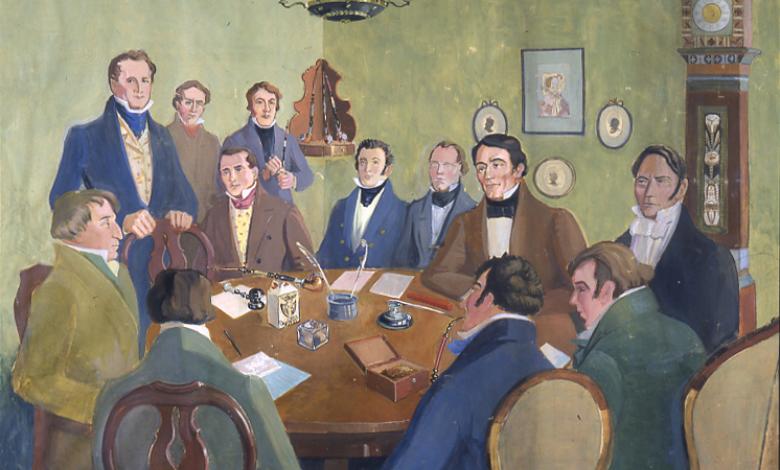
Lönnrot’s decision to collect folk poetry must be understood within the intellectual climate of his time. In the first half of the nineteenth century, Romanticism and nationalism shaped European thought.
Johann Gottfried Herder’s influential work Stimmen der Völker in ihren Liedern (1778–1779) inspired widespread interest in collecting folk poetry across Europe. Herder argued that the true spirit and history of a people are best reflected in its oral poetry. Lönnrot was not the only Finn seeking the ancient roots of his people in traditional verse, but his efforts proved decisive.
Kantele
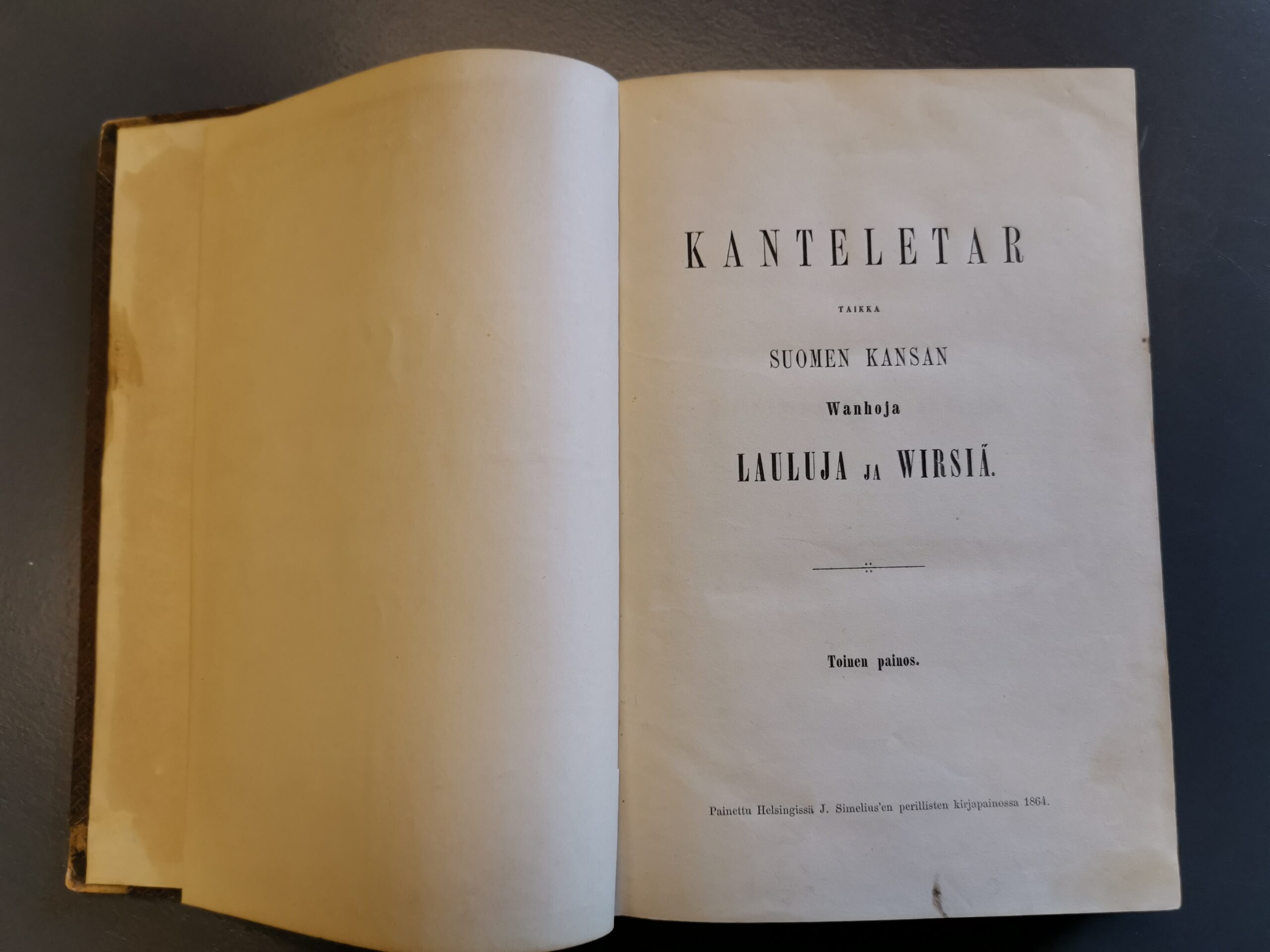
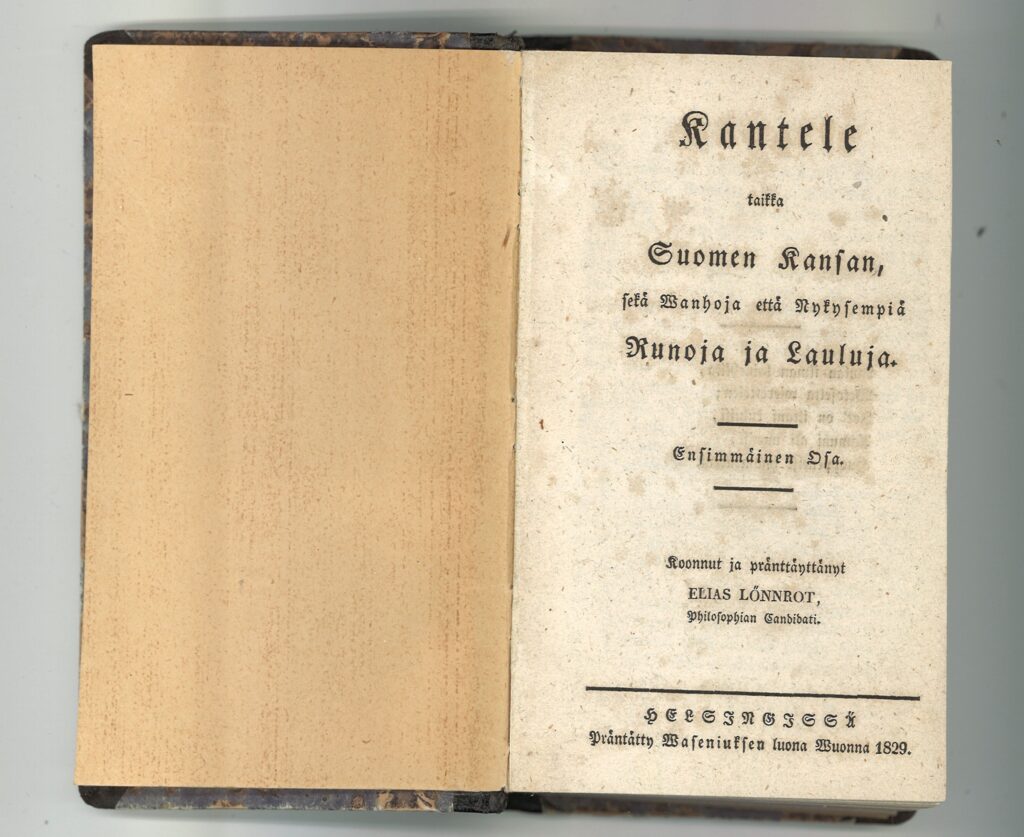
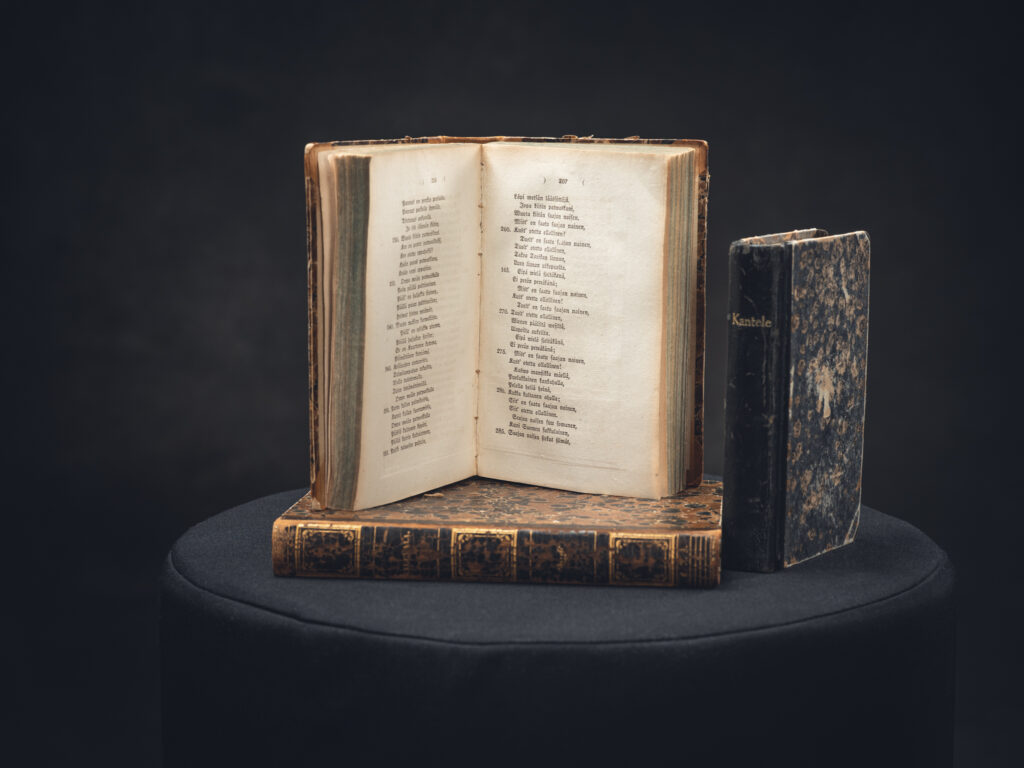
When Lönnrot began collecting material, he had not yet conceived the idea of creating an epic. Initially, he aimed to publish the collected poems. Following the example of Sakari Topelius the Elder, he issued them in booklets titled Kantele, or The Old and Contemporary Poems and Songs of the Finnish People.
Inspired by Topelius, Lönnrot also traveled to White Sea Karelia, known for preserving ancient song traditions. The Kantele volumes presented the collected poems largely without editorial modification. Four booklets were published (summer 1829, November 1829, early 1830, and April 1831). A fifth manuscript was completed but never published, as Lönnrot had by then conceived the idea of shaping the material into an epic.
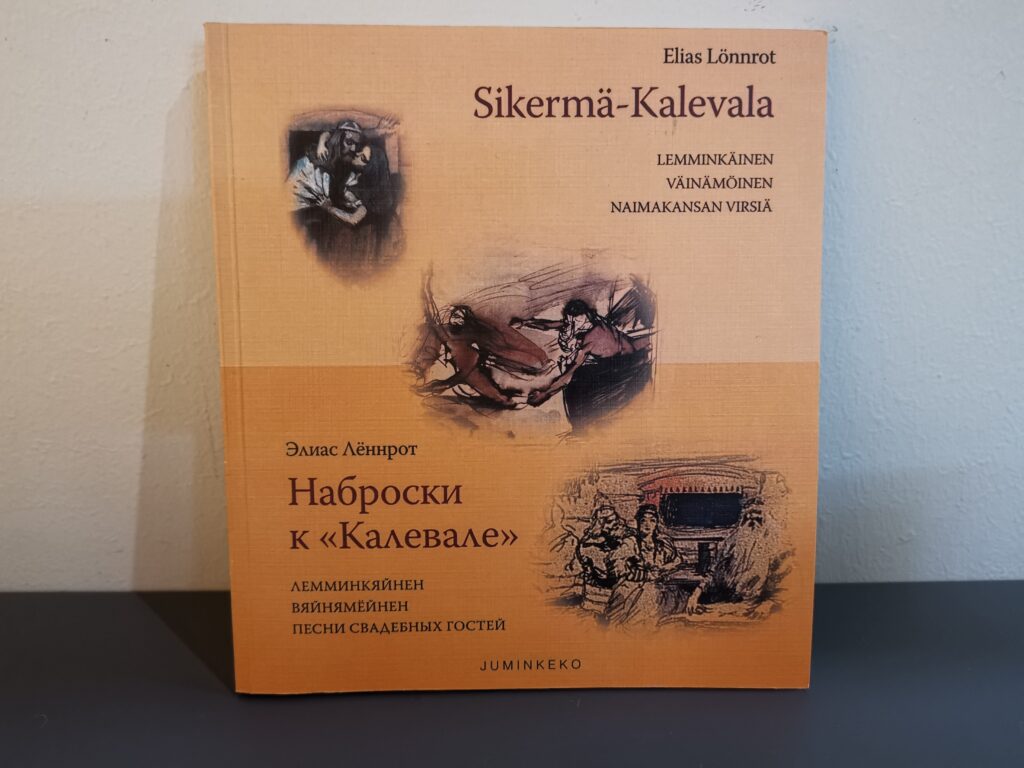
The “Cluster Kalevala” (Sikermä-Kalevala)
Lönnrot ultimately produced five versions of the Kalevala. The first two are considered preparatory stages of the epic. The earliest, later named the “Sikermä-Kalevala” (“Cluster Kalevala”) by Professor Lauri Honko, consisted of three shorter compositions.
Lönnrot experimented with combining poems about central heroes, resulting in three clusters: Lemminkäinen (825 verses), Väinämöinen (1,867 verses), and Wedding Songs (499 verses, based largely on White Karelian traditions). These formed the foundation upon which he later constructed the epic.
Completed in 1833, this intermediate version was not published during Lönnrot’s lifetime. It was later issued by Juminkeko together with other unpublished versions, in both Finnish and Russian, enabling scholars to study the epic’s creative development.
The First Kalevala (Alku-Kalevala)
During his fourth collecting journey, Lönnrot conceived the idea of creating a unified epic. In a letter to his friend Dr. Henrik Cajander, he wrote that he would continue collecting poems until he had gathered material equivalent to “half of Homer.”
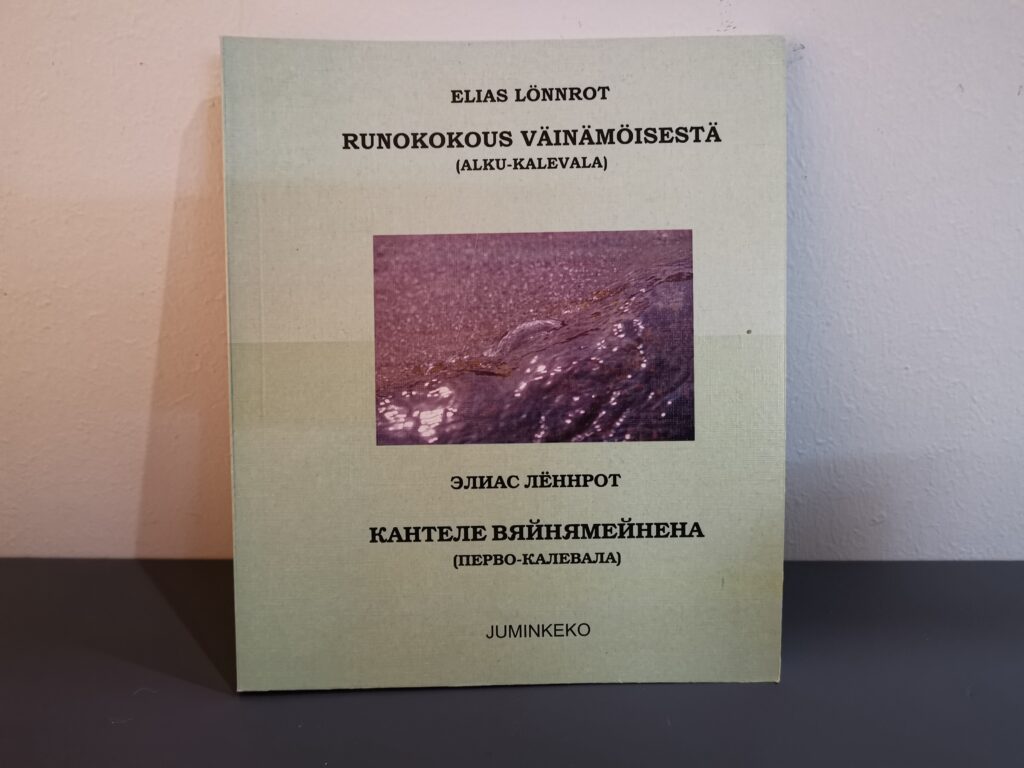
The manuscript was completed in November 1833 under the title Runokokous Väinämöisestä (“Collection of Poems about Väinämöinen”). Later known as the Alku-Kalevala (First Kalevala), it comprised 5,052 verses.
Lönnrot planned to publish it in 1834 but abandoned the plan after meeting the renowned singer Arhippa Perttunen during his fifth journey and obtaining substantial new material. In this early version, certain features differ from the later epic: Pohjola is mentioned but not Kalevala; Joukahainen’s sister is not yet Aino; Sampo appears as Sampu; the world is born from an egg falling from Väinämöinen’s knee; and Ilmatar is introduced only later.
The Alku-Kalevala was first published in 1928 in a limited scholarly edition. Juminkeko later issued a bilingual Finnish-Russian edition.
The Old Kalevala (1835)
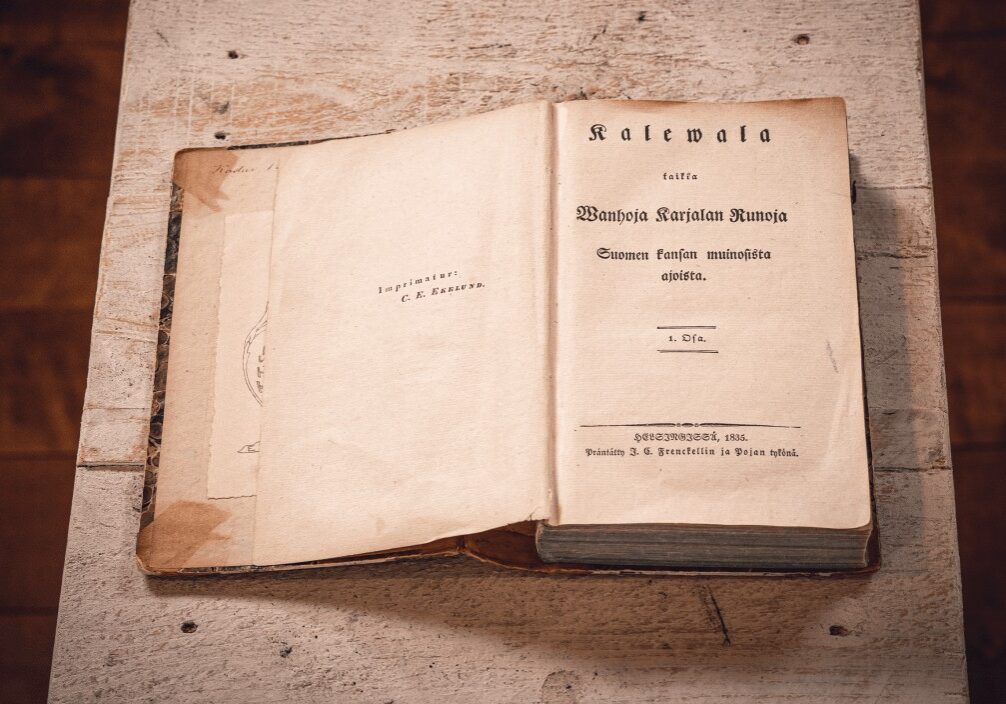
The first officially published version, titled Kalewala, or Old Karelian Poems from Ancient Times, appeared in 1835 and is now known as the Old Kalevala. It consisted of 12,078 verses divided into 32 poems—more than double the length of the earlier manuscript.
By this time, Lönnrot had access to over 40,000 verses. The Old Kalevala quickly became a national symbol. Its first translation, into Swedish, was completed by M. A. Castrén in 1841. Jacob Grimm’s speech at the Berlin Academy praising the Finnish epic significantly enhanced its international reputation.
The New Kalevala (1849)
Lönnrot considered the 1835 edition incomplete. After receiving leave to continue his work, he expanded and revised the epic using additional collected material. The final version, the New Kalevala, appeared in 1849.
Although based on oral runosongs, the Kalevala is fundamentally Lönnrot’s creative synthesis. He combined poems, reshaped characters, and constructed a coherent mythical world and narrative framework.
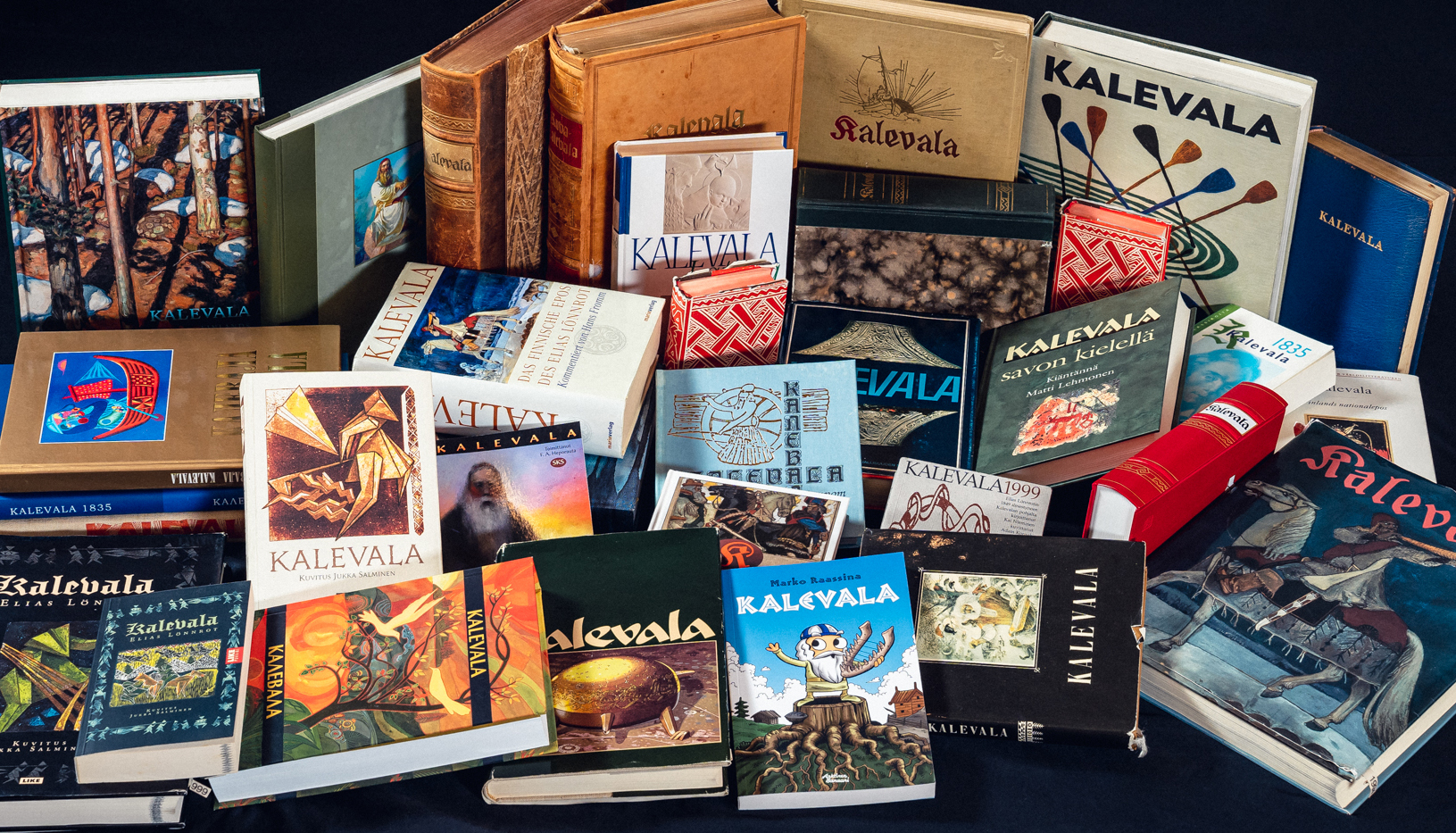
The New Kalevala contains 22,795 verses divided into 50 poems. Both the number of verses and poems nearly doubled compared to the 1835 edition. Today, the Kalevala is the most widely translated work of Finnish literature, available in more than 60 languages.
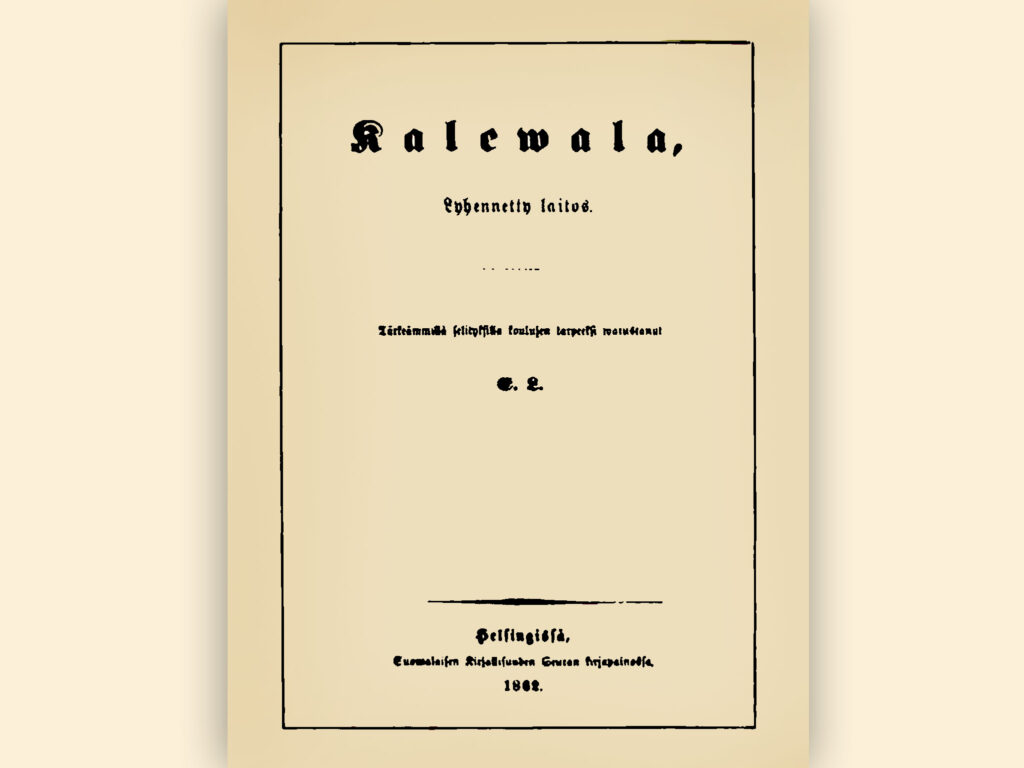
The School Kalevala (1862)
Because the epic’s archaic language and lengthy spells made it challenging for young readers, Lönnrot prepared a shortened version for schools. Published in 1862, the School Kalevala retained the structure of 50 poems but reduced the total to 9,732 verses.
For generations, Finnish students memorized passages from this version. While earlier teaching methods sometimes diminished interest, today the Kalevala can be introduced to children in more engaging and diverse ways.
Kanteletar
Lönnrot complemented the heroic Kalevala with a lyrical companion, the Kanteletar, published in 1840. This collection of lyric poems and ballads draws from a broader geographical area than the Kalevala, including White Sea Karelia as well as Lieksa, Ilomantsi, Kitee, Tohmajärvi, Sortavala, Jaakkima, and Kurkijoki.
Mateli Kuivatar of Ilomantsi is regarded as one of its most important singers. Although often considered a “women’s book” because of its lyrical focus, the Kanteletar also includes songs performed by Arhippa Perttunen.