Karelianism
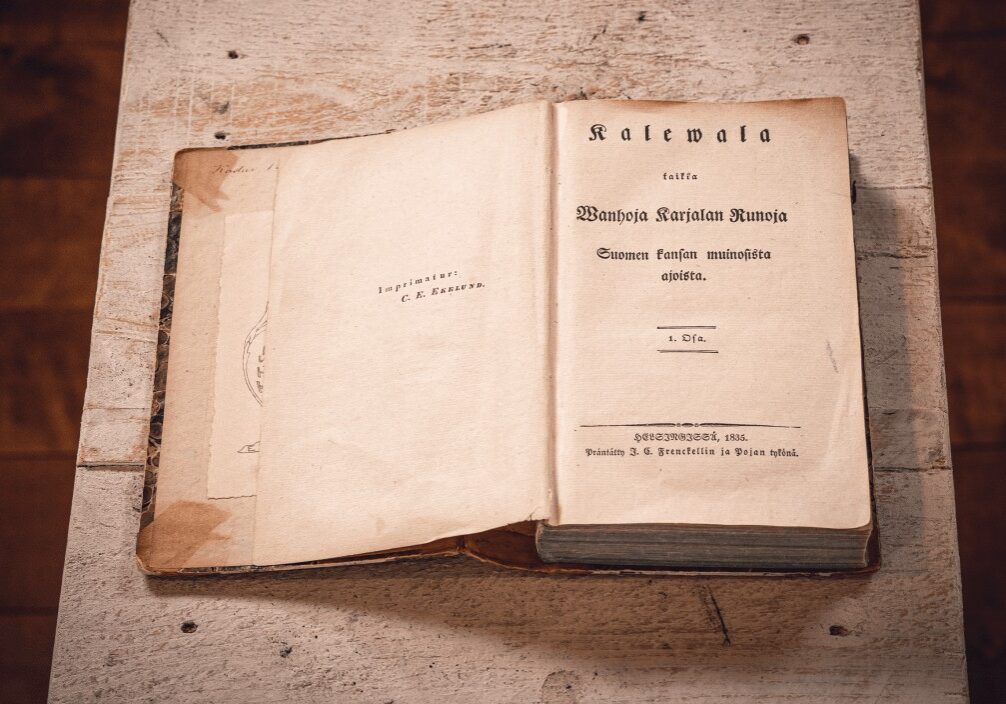
In the wake of Nationalism and Romanticism, the 1890s witnessed a growing interest among artists and researchers in the Kalevala and in the folkloric regions associated with it.
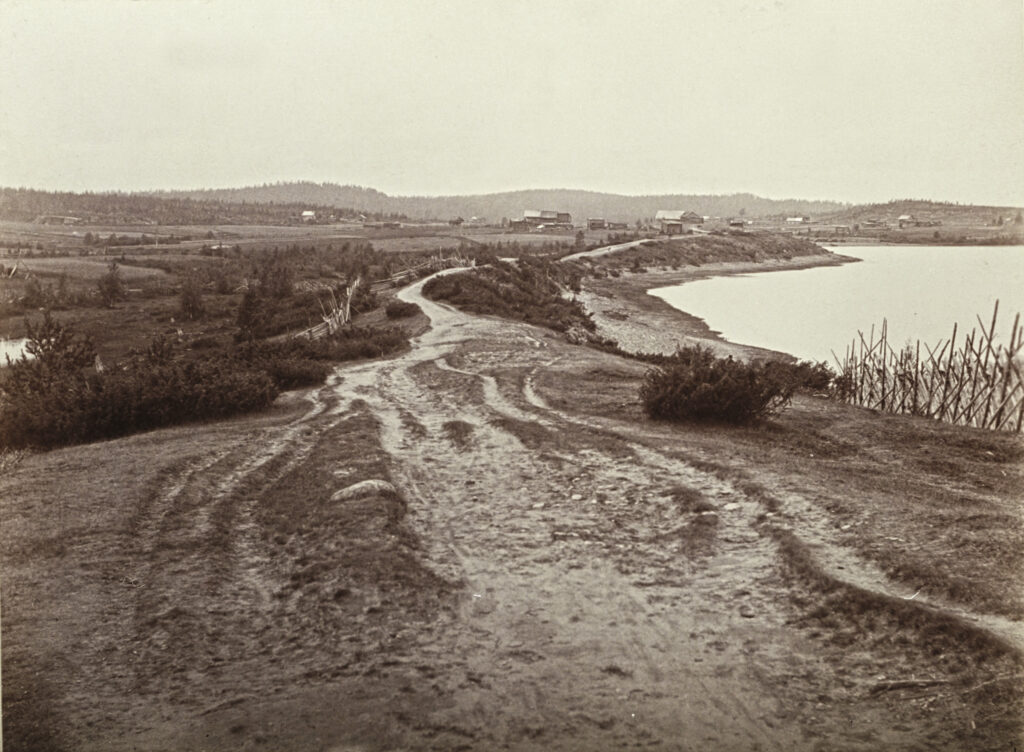
In the wake of Nationalism and Romanticism, the 1890s witnessed a growing interest among artists and researchers in the Kalevala and in the folkloric regions associated with it.
What followed Nationalism and Romanticism was an artistic movement that extended into virtually every sphere of creative endeavor. It drew its inspiration from the Kalevala, from nature, and from the traditional way of life in the song-lands. Artists traveled to Karelia in search of authentic sources of inspiration, and they were soon followed by new generations of poetry collectors and scholars.
The founders of this movement—or, in a broader sense, this mode of thought—later known as Karelianism, included the visual artists Akseli Gallen-Kallela and Louis Sparre. They were the first to undertake pilgrimages to the “Land of the Songs,” and were soon joined by the sculptor Emil Wikström; the writers Juhani Aho, Eino Leino, and Ilmari Kianto; the composers Jean Sibelius and P. J. Hannikainen; and the architects Yrjö Blomstedt and Victor Sucksdorff, along with many others.
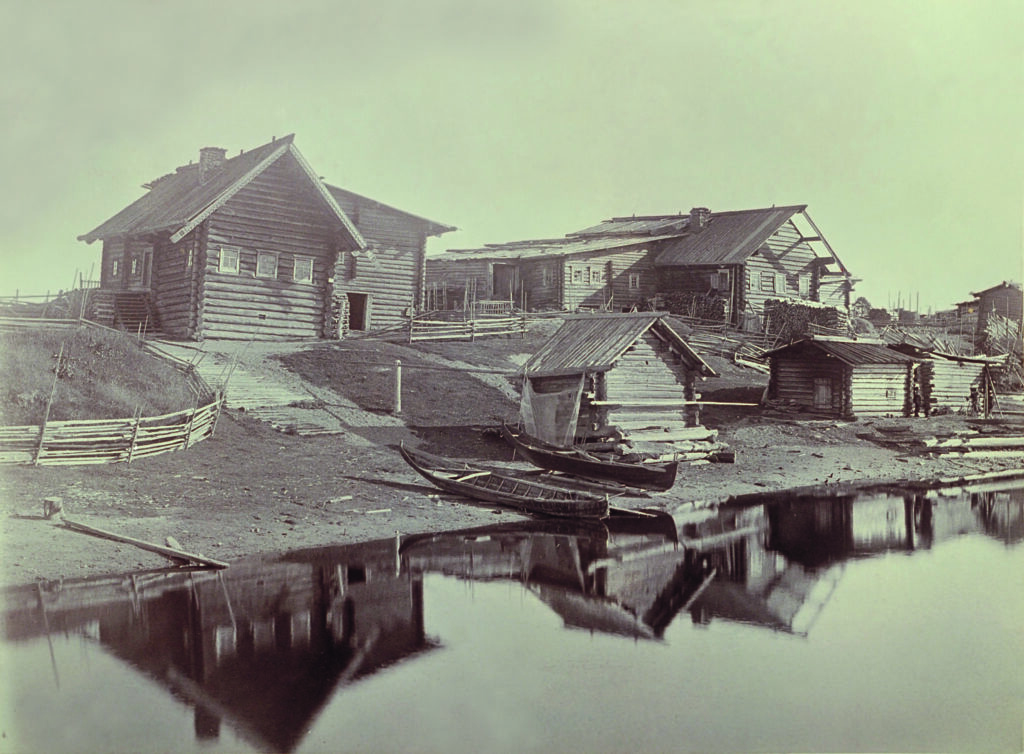
One particularly significant journey to White Sea Karelia was undertaken in the spring of 1894 by Into Konrad Inha and Kusti Karjalainen. The results of their expedition were remarkable: Inha’s classic work From the Song-Lands of the Kalevala, his outstanding photographic documentation of life in the region, and Karjalainen’s White Karelian glossary, a lexicon comprising approximately 10,000 words.
The expeditions to the Kalevala’s song-lands inspired by Karelianism continued well into the 1920s, until the border between Finland and Russia was closed. It was not until the Second World War, when Finnish troops occupied parts of White Sea Karelia, that researchers were once again able to visit the bardic villages. Subsequent political developments led to the border being closed again for decades.