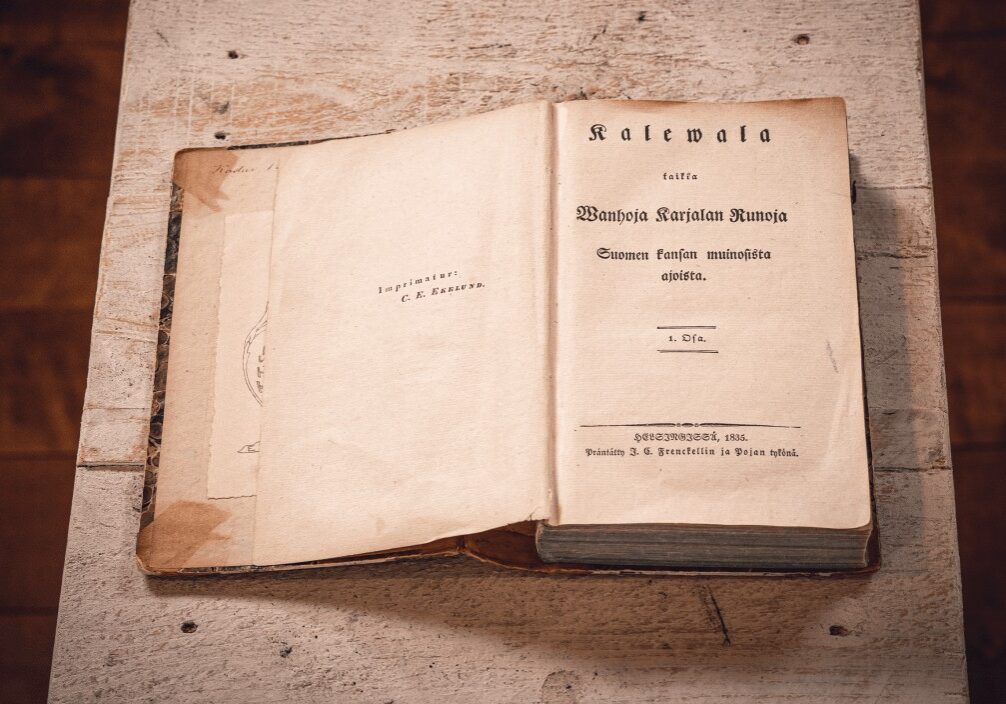
Vepsians
The Vepsians belong to the Finno-Ugric language family and are closely related to the Finns. They live mainly in the areas surrounding Lake Onega (Ääninen) and Lake Ladoga, in the Republic of Karelia, as well as in the Leningrad and Vologda regions of Russia. The Veps language is considered the most archaic of the Baltic-Finnic languages and is closely related to ancient Finnish.
Vepsians in the world
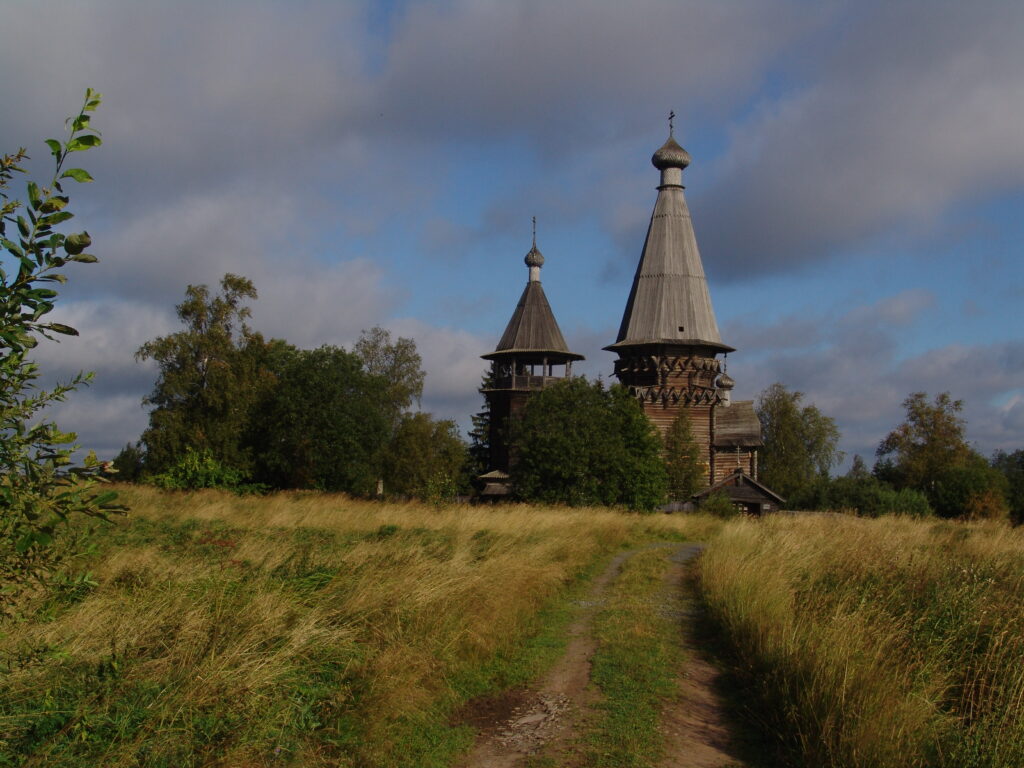
Although the Vepsians are today a small minority, they have made a significant contribution to world culture. A well-known example is the wooden church architecture of Kizhi, including the famous churches on Kizhi Pogost.
Old Russian chronicles from the 9th century recount how the Vepsians, together with the Russians and the Bulgars, participated in the formation of the early Russian state. Living at major river confluences, the Vepsians became skilled traders, particularly during the Viking Age. Later, when Russians began using the name “Chud” as a general term for Baltic-Finnic peoples, the Vepsians disappeared from written history for centuries. They were “rediscovered” in the 1820s by the linguist A. J. Sjögren.
The Veps Written Language
The written form of Veps emerged after the Russian Revolution. Magazines were published, textbooks were produced, and works of fiction appeared. However, during Stalin’s years of repression, all printed texts in Veps were destroyed. It was not until perestroika in the 1980s that the Veps written language was systematically revived.
Thanks to the enthusiasm of Veps cultural activists, the first ABC book in Veps was published, although it used the Cyrillic alphabet. At the same time, Veps intellectuals began developing a standardized written language based on the Latin alphabet, which better reflected Veps pronunciation. Thus began the revival and steady growth of Veps literature.

Significant Vepsian Figures
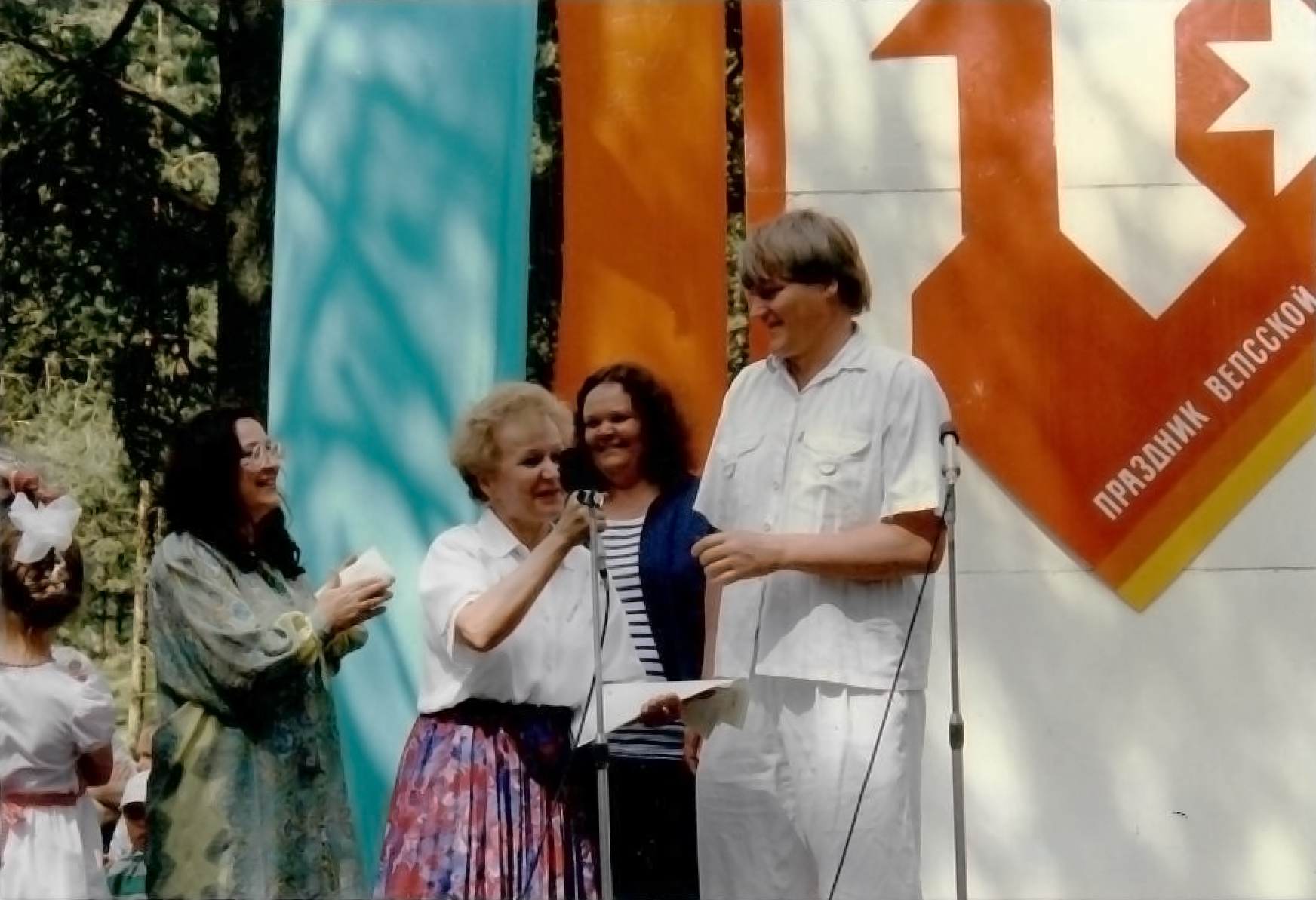
The linguist, writer, and translator Nina Zaitseva can be regarded as the mother of the modern written Veps language. She played a key role in the process that led to its codification after perestroika. She served as Director of the Language Department at the Institute of Language, Literature and History of the Karelian Research Centre.
Zaitseva contributed to the founding of the Vepsian Cultural Society and was the first long-term editor-in-chief of the Vepsian newspaper Kodima. In addition to numerous textbooks, dictionaries, and poetry collections, she translated the New Testament (2006) and other books of the Bible into Veps. In 2012, she published the Veps national epic Virantannaz, based on Veps folklore and mythology. She also translated the Kalevala into Veps (2022).
Significant Vepsian Figures
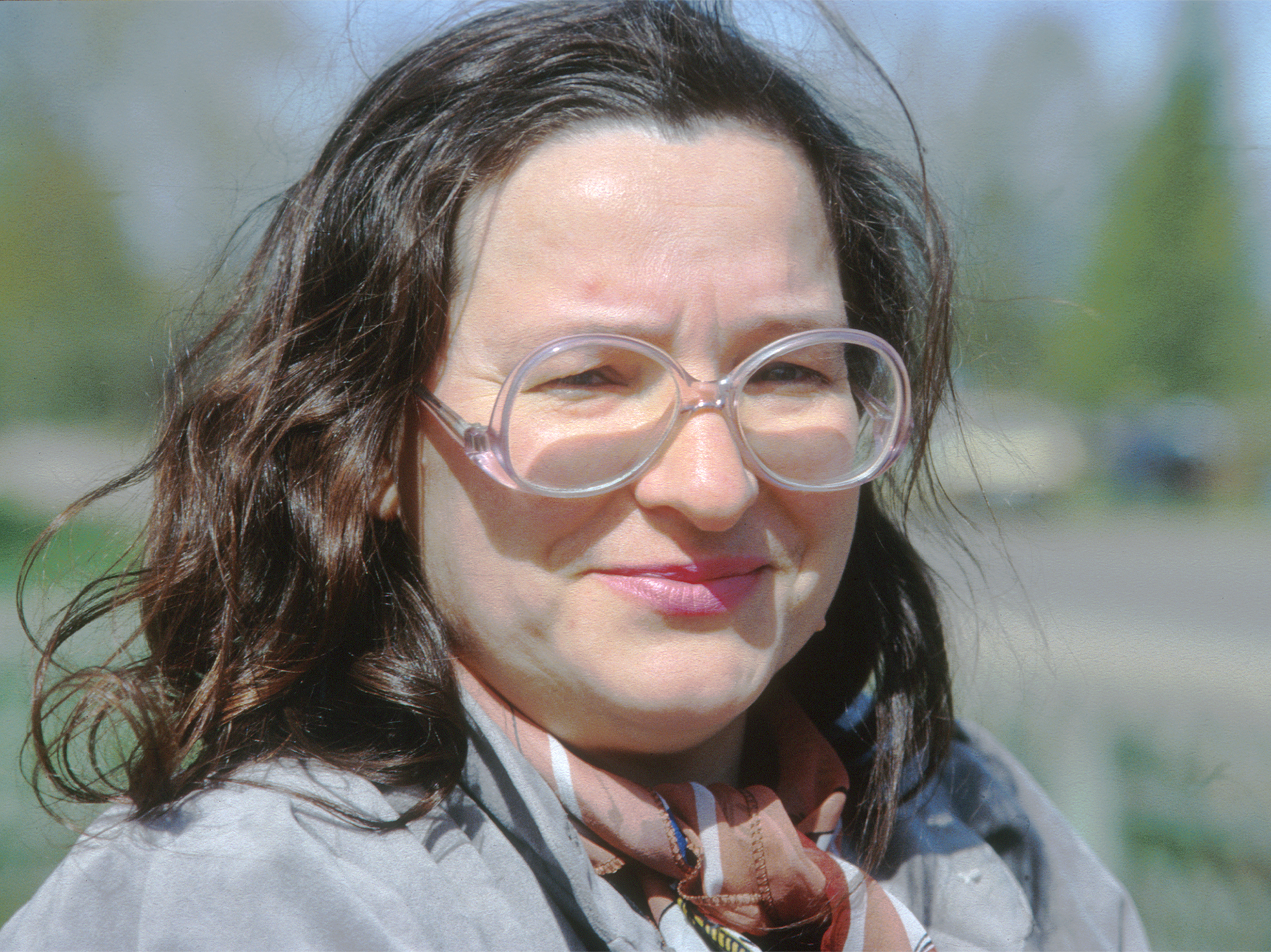
Zinaida Strogalshchikova played a central role in the establishment of the Vepsian Cultural Society and served for many years as its Chair. She was instrumental in strengthening Vepsian identity and fostering closer connections among Vepsians living in different regions.
Her research on Veps history laid the foundation for modern Vepsian cultural and linguistic awareness. She worked in the Presidential Office of the Parliament of the Republic of Karelia and also at the United Nations as a representative dealing with minority issues. She can therefore be regarded as one of the highest-level representatives of the Vepsians at both state and international levels.
Significant Vepsian Figures
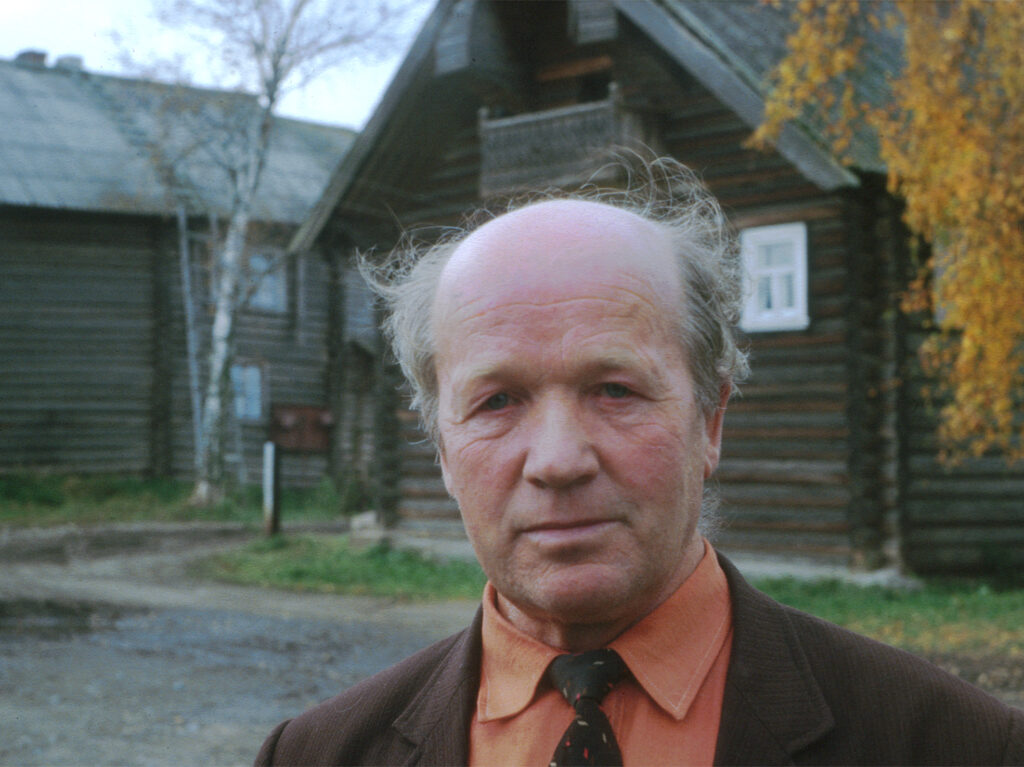
The Vepsian folklorist Rürik Lonin (1930–2009) began collecting the folklore and traditional artifacts of the Northern Vepsians even before perestroika and glasnost. He founded the Soutjärvi Vepsian Museum, which today bears his name and has officially operated since 1967. Lonin served as its director until 2001.
In the 1980s, he began teaching Veps to children in clubs and later worked as a Veps language teacher at Soutjärvi School. He wrote several books and was a member of the Vepsian Folk Choir in Soutjärvi. He is widely regarded as the most significant local Vepsian cultural figure of his time.
Read Rürik Lonin's memoirs Childhood destroyed by the war (in Finnish).
Significant Vepsian Figures
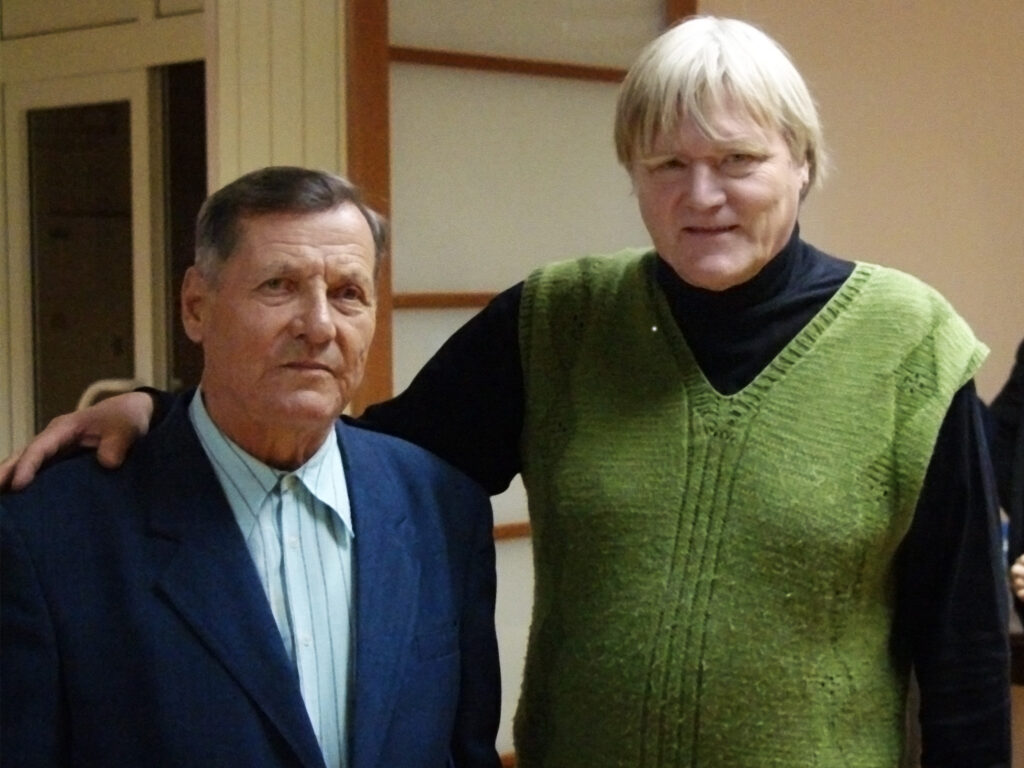
The most internationally known Vepsian writer was Anatoli Petukhov (2 November 1934 – 30 August 2016), born in the Vologda region. Although he wrote in Russian, his works frequently addressed Vepsian themes. During the Soviet era, he was considered one of the most important writers in Russia and received several literary awards.
He participated in the First World Conference of Vepsian Writers in 2002 at Juminkeko, where he conversed with colleagues in Veps. The Second World Conference was later held in his hometown of Vologda.
In the photo: Anatoli Petuhov (on the left) and Markku Nieminen
Significant Vepsian Figures
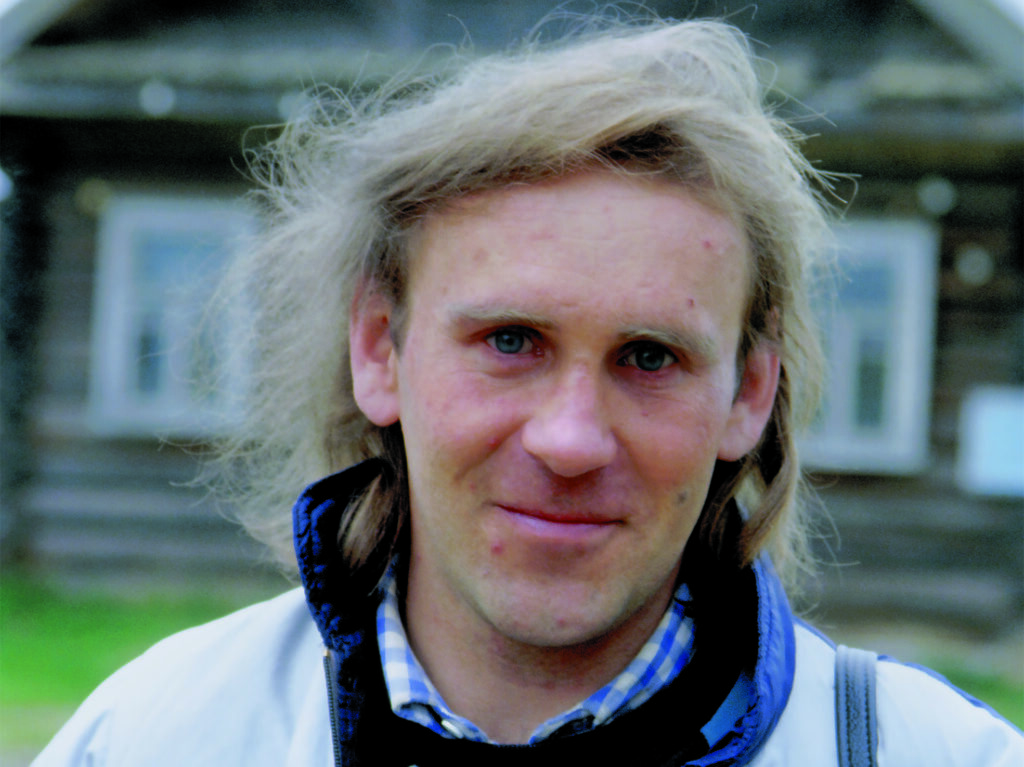
The poet Nikolai Abramov (24 January 1961 – 23 January 2016) became a classic of Veps literature at a young age. He wrote the first work of fiction ever published in Veps, the poetry collection Koumekümne koume (1994). He later published additional poetry collections and worked as an editor for the Vepsian magazine Kodima.
His poems have been translated into several languages, and he himself translated works by Russian classical poets into Veps. In his later years, he also worked as a photographer and appeared in a film about the Vepsians.
Significant Vepsian Figures
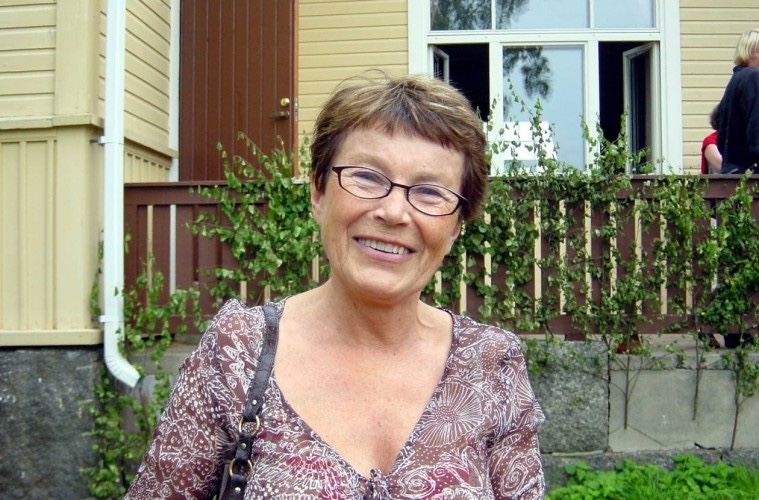
Born in the Northern Veps village of Šoksu, Raisa Lardot moved with her family to Finland during the war in the 1940s. Her literary career began in the 1970s. She became widely known for her book Ripaskalinnut, which recounts her childhood as a Vepsian. In her later works, she addressed themes related not only to Vepsian identity but also more broadly to migration and displacement.
Vepsian Year at Juminkeko
Every ten years (1992, 2002, 2012), Juminkeko has organized a Vepsian Culture Year. During these years, new books in Veps have been published, research trips have been arranged, and thematic exhibitions, seminars, and celebrations have been held in cooperation with Vepsian cultural organizations and supporters in Karelia, the Leningrad region, and the Vologda region.
In 2022 the central event of the year was the publication of the Kalevala in Veps, translated by Nina Zaitseva.